By Josie
Welp, we have made it through the darkest days of winter here in Maine, known as the Persephone Period. Our days are now 10 hours long and growing. This means that it’s time to get growing, spring is just around the corner. I have been in planning and catch-up mode over the darkest days. Thankfully I have had more capacity to function and make progress than I have in a long time because:
My youngest is now 2 years old and getting more and more independent by the day and attending a very local preschool during “nursery hours” in the school year that has completely saved my sanity;
AND
She is also sleeping through the night in her own room, which means that I am sleeping through the night, most nights, for the first time in 6 years!
I feel like a whole new person, or maybe more like myself again, there have been quite a few imiprovements in our lives that have just simply made everything easier. Of course, I am finding ways to fill in my “spare” time, like blogging about what I am up to and sharing that we started a farm! I would like to share what I am up to in a bit of a journal style covering topics like seasonal farm tasks, Moming while farming and also what we are eating out of the gardens.
Kitchen Adventures
We have been renovating since we moved in, but starting Fall 2020 until very recently, Winter 2022, renovations have been full steam ahead. Now we are in a bit of a lull and all the urgent and “oh my goodness, we can’t live this way much longer” projects have been completed -enough. And one of these projects was/is the kitchen! Our old kitchen was fine, it passed the State Inspection for a Home Kitchen Processing License and everything, but it was just not very functional and a bit dated and we took the ceiling out so the kitchen cabinets were hanging out in the middle of the room. Needless to say, I did not utilize my kitchen license las summer for Farmstand goodies… The new kitchen has no corner cupboards, a huge island, fantastic workspaces and tons of storage.
Lately, I have been trying to make sure that I am using food that I managed to put away last summer and fall, so we can use it all up before the fresh food starts coming in. I have decided that it is totally worth the time to process tomatoes by running them through the blender, skin and all, and then freezing in quart bags. I blended tomatoes, then made sauce and froze that too. I think it can have a tinney taste due to all the tannins in the skins, but it just has to be cooked until that taste disapears. Other vegetables, I no longer freeze because I know there are still greens buried in the deep freezer from 2020, so if we don’t use it, don’t take the time to preserve it! I tried blending and freezing peaches last summer and am on the fence as to whether I will do it again, I have only used one bag so far and the results were a bit underwhelming. I tried to make a cobbler type dish, but I think the frozen peaches are too runny, my next step is to try some kind of peach bread, muffin or cake.
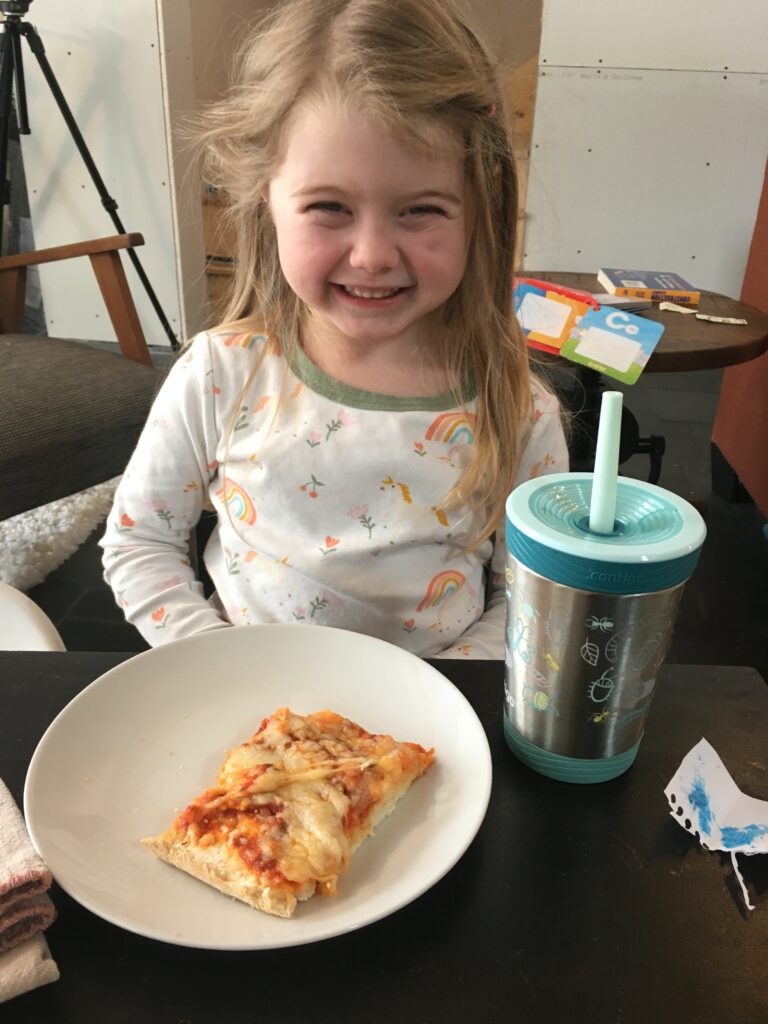
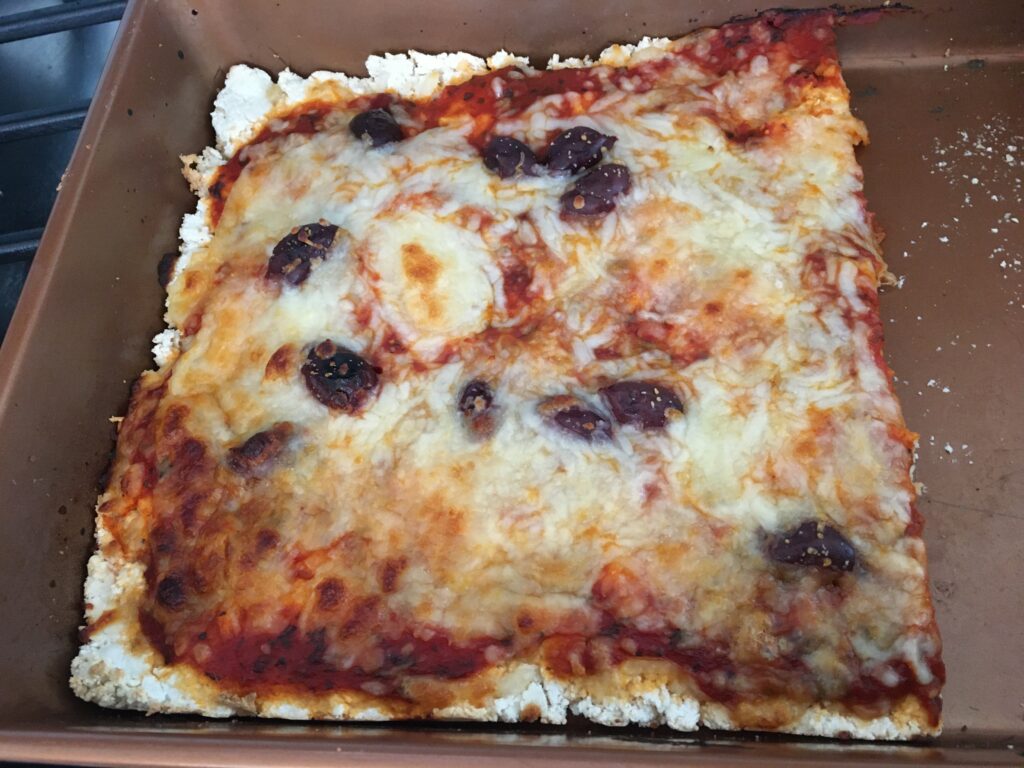
Yesterday I discovered that Stonyfield has a whole slew of recipes and tried making a quick pizza dough with two ingredients (yogurt and Gluten-Free Baking mix), it turned out great and held together too! Here is my adapted recipe (I turned it gluten-free and it was a hit!). I also learned that if you give the two year old a jar of kalamata olives, that she will eat the whole thing!
Winter Adventures
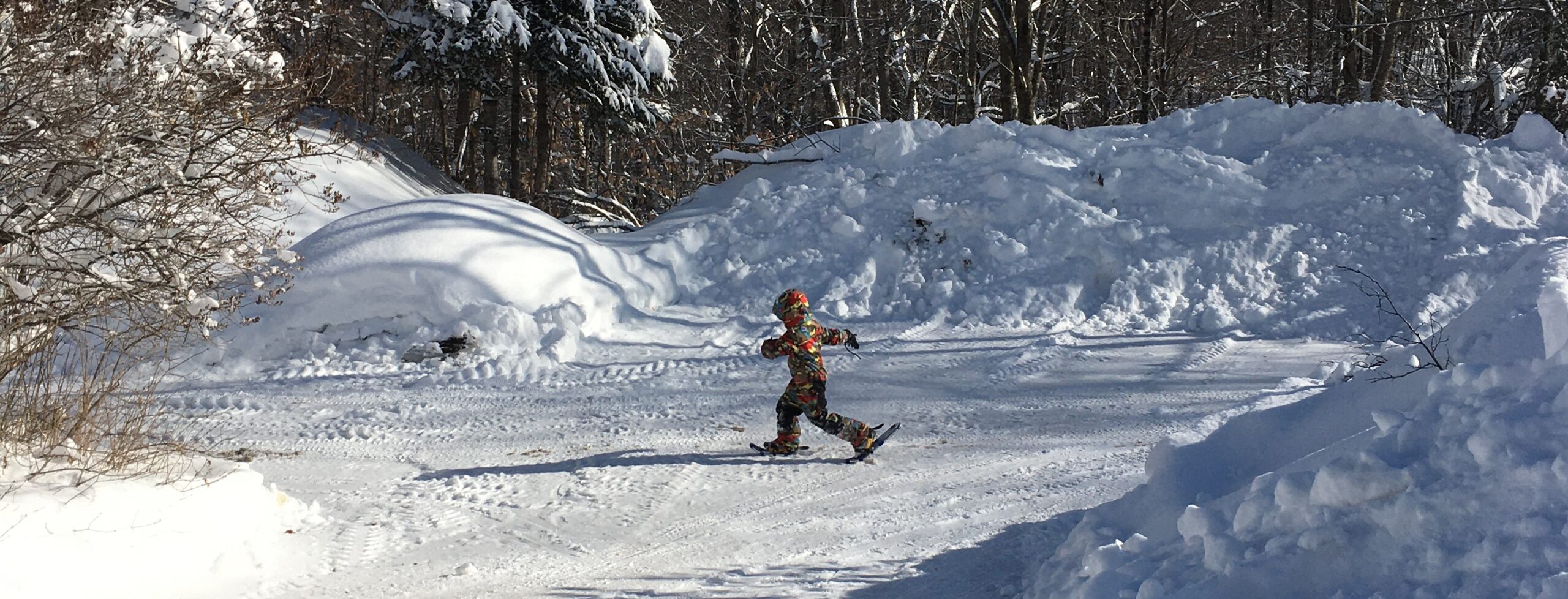
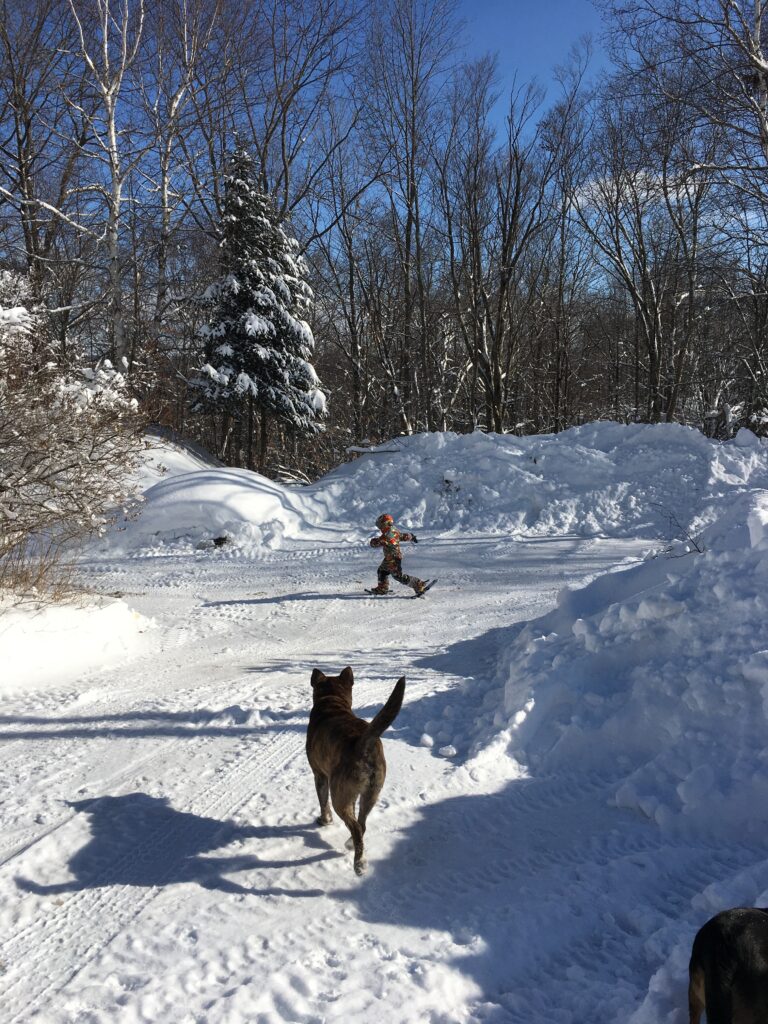
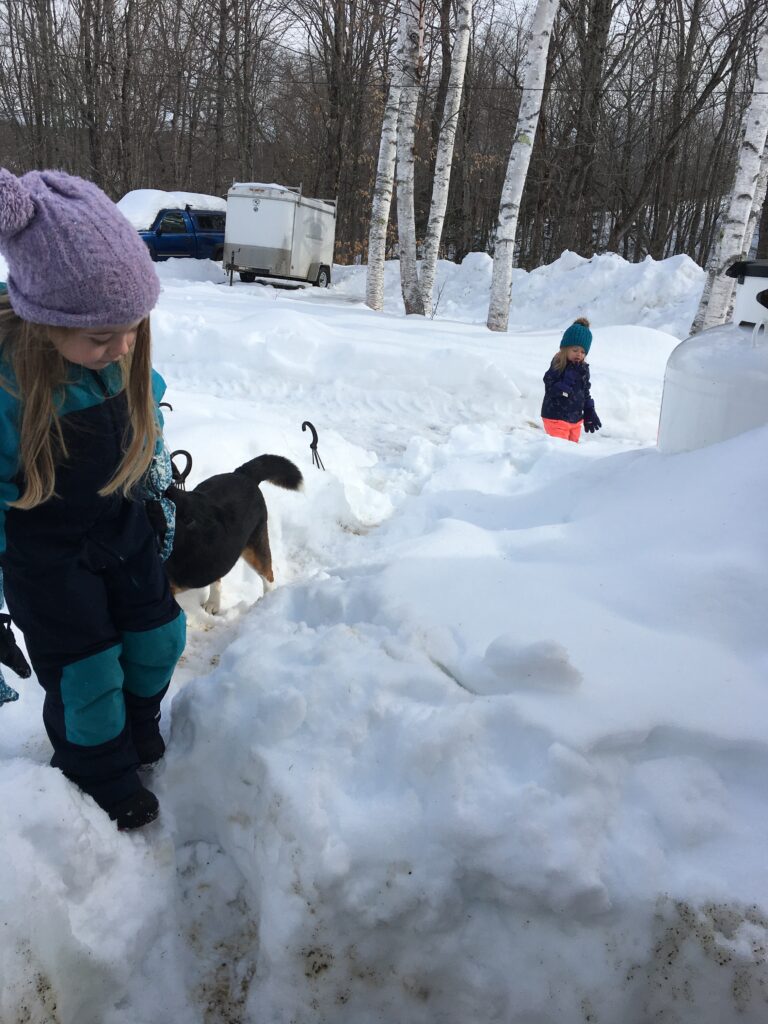
This winter has been pretty similar to the last few, up until very recently, we have pretty much just stayed home. I love playing outside with the kids, but I also love getting tiny tasks completed while they are busy playing in the snow. While the kids are stretching their legs and getting creative, I can check on the chickens, clear snow and soon I will be collecting hardwood cuttings. It was an extremely cold January, so short bursts of outside time were all we could get in.
Garden Adventures
This month I am planting seeds, managing my basement worm and bokashi compost bins and diving into Korean Natural Farming by making my own garden amendments to use this season. I am pretty excited about Korean Natural Farming (also known as Natural Farming or KNF for short). I have caught myself babbling on and on about it with complete strangers, maybe it’s because I have been a bit disconnected from complete strangers due to the whole pandemic or maybe I am actually one of those people, like many vegans and cross-fit enthusiasts, that have a hard time discerning when it’s time to tone down that enthusiasm. That being said – if anyone is interested in this “new” method of gardening/farming, I will be sharing my journey on the Beet the Rat Race blog, Instagram and Facebook this year. I plan to share my successes and my learning experiences (phew, that sounds better than saying failures).
More on Natural Farming:
I discovered these concepts a few years ago, but it all just seemed too far out there, too much work, but now that I have taken the time to dive in, I truly believe that following these methods will save time and money in the long run by being proactive and preventing pests and diseases because apparently bugs do not like the taste of healthy plants! KNF also has methods for raising poultry and other livestock – more on that in the future. I am not sure how exactly to implement the methods on a large garden/farm scale, but I do know that I need the different solutions ready to go in order to use them, and I am perfectly capable of following recipes.
As with anything new, I feel like I need to learn about it in different ways before I dive in my main sources of information have been YouTube (Chris Trump and Bare Mtn Farm) and a great little book called The Regenerative Grower’s Guide to Garden Amendments by Nigel Palmer. I watch my “Garden Videos”, as the kids call them, on YouTube at night after everyone has gone to sleep and it’s time for me to clean up the kitchen. I read snippets of books while hanging out with the kids (when I am taking a break from cleaning up after them) or when I am puttering around the kitchen throughout the day – half of the book is recipes, so I can read and put this information into action at the same time!
A note on these resources, there is another discipline that uses similar concepts to KNF but different recipes and methods called JADAM. JADAM and KNF are both focused on feeding and cultivating soil microorganisms with homemade garden amendments to grow super healthy plants and nutrient dense food – sounds ideal right?
The Regenerative Grower’s Guide has the same kind of techniques as KNF and JADAM, but based on the author’s personal experience and tailored to my region! Most of the KNF information that is available in English is based in Hawaii, which is way super different to the mountains of Maine, although the amendment recipes are the same, the environmental challenges are different.
It is truly a different mindset to think that you don’t just need to provide the nutrients to your plants, but to cultivate the soil microorganisms to grow incredibly nutrient dense food, not only by creating the ideal environment for the microbes, but by introducing cultivated microbes as well.
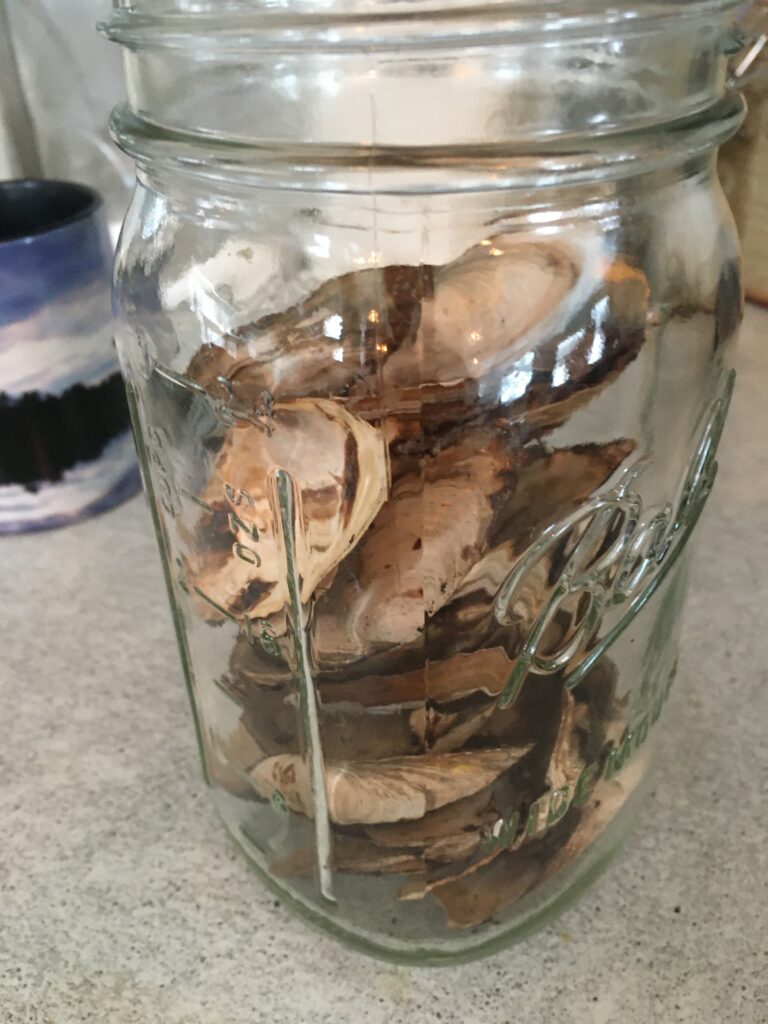
So far this month I have made a water-soluble calcium extract from eggshells and oyster shells, a water soluble calcium and phosphorus extract from pork bones, JMS (JADAM Microorganism Solution) and gathered materials to make the Oriental Herbal Nutrient Solution.
Some of the amendments that I have made are preserved in brown sugar and stored in my basement, out of direct sunlight. They are used homeopathically by diluting them in water – you use only a teaspoon or a tablespoon at a time depending on how much you need at the moment.
For example, this week I soaked large seeds that I was planting in a solution of Fermented Plant Juice (FPJ). This soak will ensure that nutrients are available when the seeds sprout. I made the FPJ last summer by collecting dandelion leaves early in the morning and mixing them with equal parts of brown sugar and letting it all ferment for a week before straining and bottling the resulting syrup-y substance in a mason jar. I mixed a bit less than a ¼ teaspoon of the FPJ syrup with 4 cups of water. Instead of soaking small seeds, which I have not figured out how to handle after soaking, I put the solution in a spray bottle and sprayed the top of the tray where I had planted them.
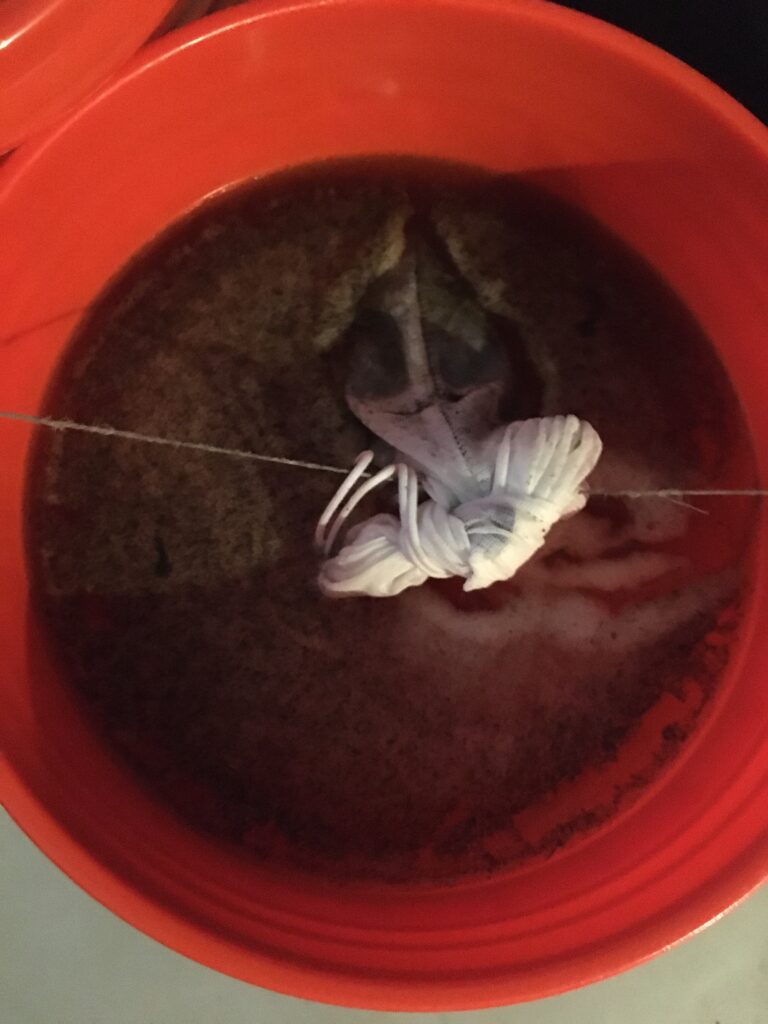
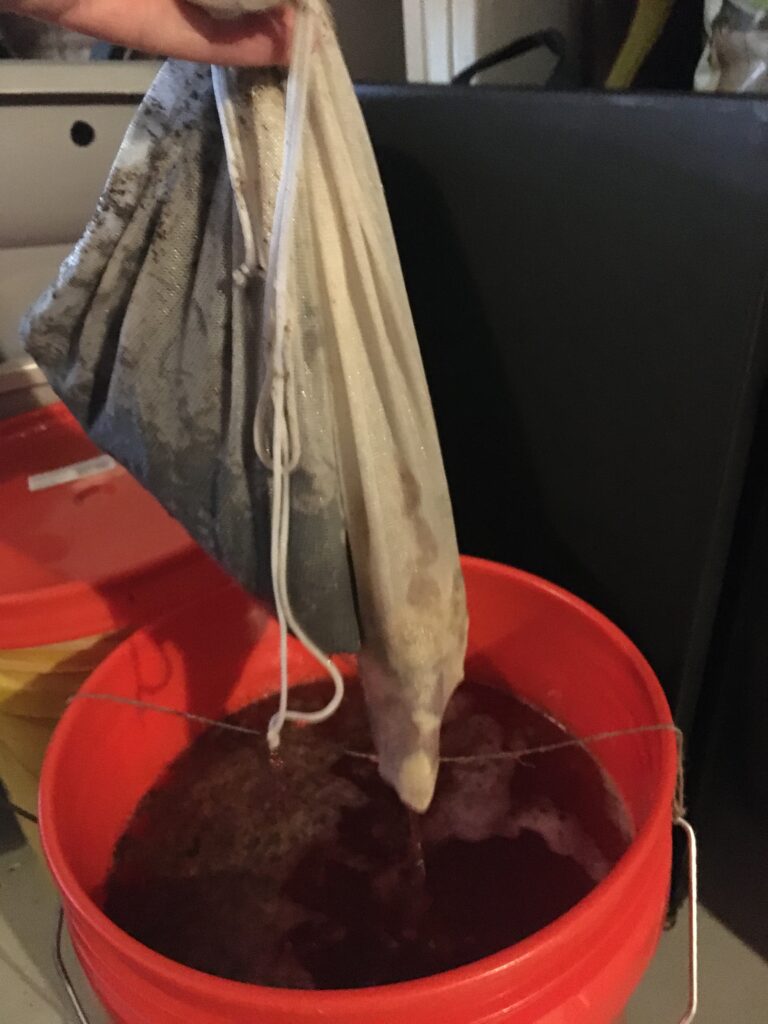
Other amendments are used soon after producing before they change to something completely different. I made the Jadam Microorganism Solution by making a “tea bag” out of a handful of leaves (that I dug through a foot of snow to obtain) and compost in a bucket of water, along with a baked potato to feed the microbes. I made it to apply to the chicken coop bedding by adding it to wood shavings, moisture in the chicken coop is not a good thing and can lead to frost bite, but both of our coops are extremely dry, so I didn’t think it would hurt. The concept is that the microbes feed on the droppings so that it doesn’t smell and you never have to clean out the coop again, unless you want it for your garden.




Gah, I did it again, I just wanted to share a bit about what I have been up to farming, moming, cooking etc, but I have just gone on and on about KNF *sigh* I will have to post again soon. I am particularly excited about sharing how I am meal planning without actually planning, because it has revolutionized and streamlined my approach to making dinner, which makes more time for connecting with the kids and my own projects. Thanks for listening!